Techniques of breast augmentation – axillary, submammary or periareolar?
A breast augmentation with implants is one of the most frequently requested procedures in aesthetic surgery. Besides the choice of shape, size and position of the implant, the incision largely determines the course of the operation, the position of the scar, the healing process and later options for adjustment.
SubmammaryOffers a very good overview and control and is revision-friendly. Suitable for all implant positions (subglandular, subfascial, submuscular, dual plane); the incision is usually 3–4 cm in the inframammary fold.
Scars & requirementsWith the axillary approach, the scar lies in the armpit instead of on the breast; the approach goes well with submuscular/dual plane; in the first 10–14 days, do not raise your arms above shoulder height; revisions are often performed submammarily. The periareolar approach conceals the scar at the edge of the areola, requires an areola of ≥ 3.5–4 cm and is more suitable for subglandular/dual plane with moderate implant sizes.
Decision shortcutScar preference + planned implant position + revision plans lead to the choice of approach. With a combined lift, the lift pattern determines the incision; the implant is often inserted submammarily.
Breast augmentation with implants is one of the most frequently requested procedures in aesthetic surgery. Alongside the choice of shape, size and position of the implant, the incision largely determines the surgical procedure, scar position, healing process and later adjustment options. Three approaches have become established: axillary (armpit), submammary (inframammary fold) and periareolar (edge of the areola). This article provides a precise overview, compares strengths and limitations and shows when which technique makes sense.
Brief overview: what do the three approaches mean?
Axillary (armpit, “transaxillary”)
The incision lies in a natural fold of the armpit. The implant is guided to the breast through a tunnel-like access – often with endoscopic support.
Submammary (inframammary fold, “inframammary”)
The incision runs in the existing or newly created inframammary fold. This technique offers the most direct view of the surgical field.
Periareolar (at the edge of the areola)
The incision follows the pigment transition of the areola. The scar often blends in well visually with the colour edge, but requires certain anatomical conditions.
Consultation and treatment at the Westfalenklinik Dortmund
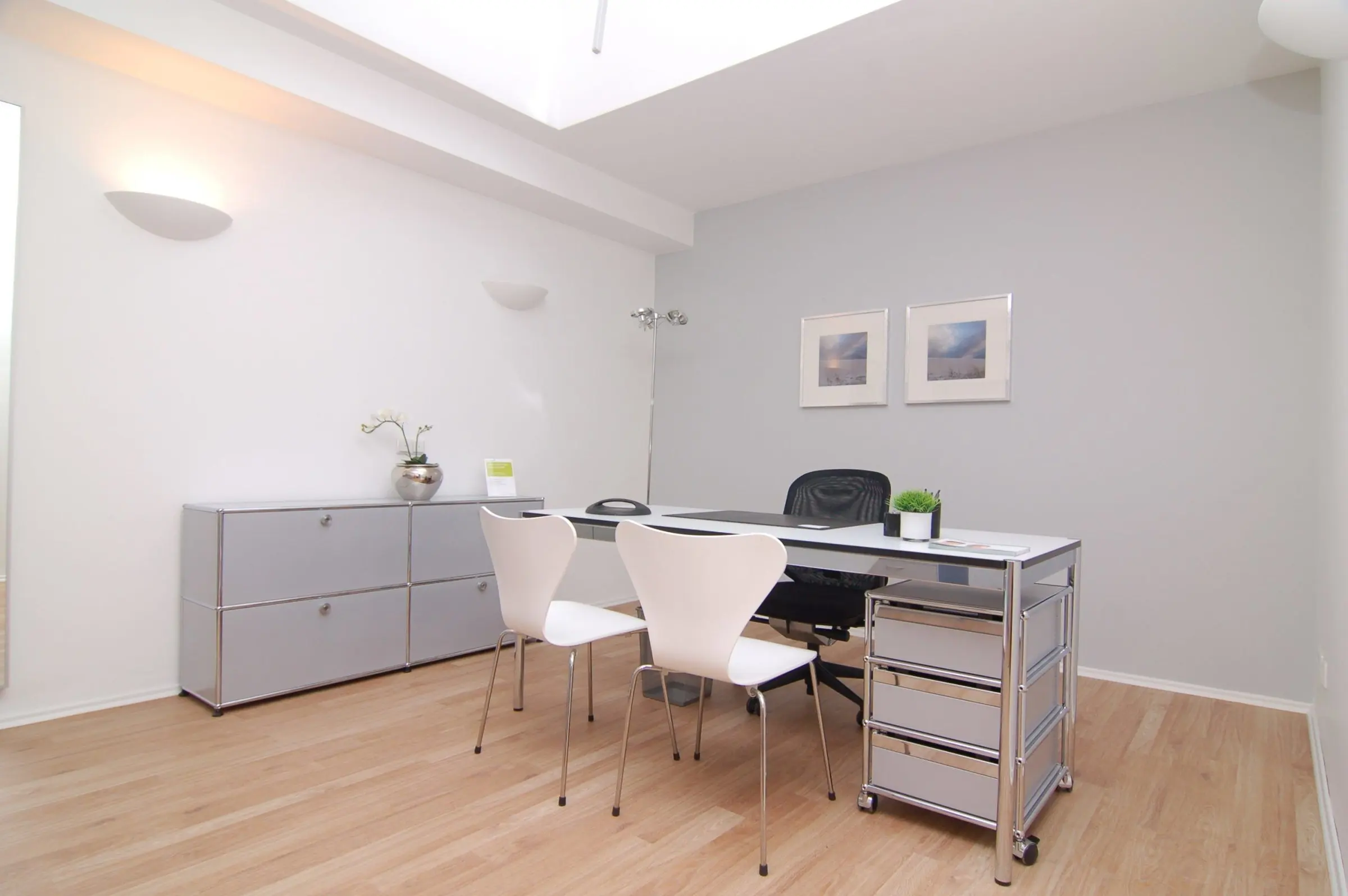
Consultation room
At the Westfalenklinik Dortmund, the choice of incision is planned individually – based on anatomy, choice of implant and the desired result.
Dr. Uwe Herrboldt discusses the options transparently, explains which scar patterns to expect with breast augmentation and recommends the technique that combines precision, safety and aesthetics in your case.
Comparison at a glance
Scar position & visibility
Axillary
Scar in the armpit; usually covered in a bikini, visible in sleeveless clothing depending on arm position.
Inframammary
Scar in the inframammary fold; usually concealed by the fold when standing upright and with a suitable fold.
Periareolar
Scar at the edge of the areola; concealed by the change in skin colour.
View & precision during surgery
Axillary
Indirect access; very precise with an endoscope, less so without.
Inframammary
Very good control over all layers and the implant position.
Periareolar
Good control, but limited incision length with a small areola.
Suitability for implant positions
Axillary
Often submuscular or dual plane.
Inframammary
Suitable for subglandular, subfascial, submuscular and dual plane – very flexible.
Periareolar
Rather subglandular or dual plane if the areola is large enough.
Revision-friendliness
Axillary
Revision operations are later often carried out pragmatically via the submammary approach.
Inframammary
Very good; direct access for corrections.
Periareolar
Possible, but dependent on areola size and tissue quality.
Special aspects
Axillary
No scar on the breast itself; initially restricted arm movement.
Inframammary
Reproducible results; with very flat breasts, the scar may be more visible at first.
Periareolar
Scar at the colour transition of the areola; requires a sufficiently large areola (> approx. 3.5–4 cm).
Axillary approach (armpit)
The surgical procedure
Access to the breast is created through a short incision in the armpit. An endoscope is often used to prepare the implant pocket precisely under direct vision. The implant is then placed in the chosen position (usually submuscular or dual plane).
Advantages of the axillary approach
No scar on the breast itself – an argument with skimpy swimwear.
The breast skin in the visible area is spared.
Combines well with a submuscular/dual-plane position (especially endoscopically).
Possible disadvantages
Indirect access: less overview without an endoscope; a high level of routine is required.
Revision operations: later corrections are often carried out via the inframammary fold.
Restricted movement: do not raise your arms above shoulder height in the first few days.
Suitable for whom?
Patients who do not want a scar on the breast and accept the armpit scar.
Slim breast shapes with a planned submuscular or dual-plane position.
Sporty, active patients who prefer an inconspicuous scar pattern on the breast.
Submammary approach (inframammary fold)
The surgical procedure with the incision in the inframammary fold
An incision of approx. 3–4 cm in the inframammary fold allows direct, clear preparation of the implant pocket. The implant position – subglandular, subfascial, submuscular or dual plane – can be determined under exact vision.
Advantages of the submammary approach
Very good control over the surgical field and the implant position.
High reproducibility – important for symmetry and implant stability.
Flexible for all implant positions, sizes and shapes.
Revision-friendly: later adjustments are readily possible.
Possible disadvantages of the operation
With very little breast volume, the scar may be more visible at first, but with the new volume it usually moves into the fold.
If there is a tendency towards hypertrophic scars, more intensive scar care is advisable.
Who is it suitable for?
Patients who prioritise predictability and precise control.
Suitable for a planned dual-plane technique, larger implants or mixed indications (e.g. minor shape correction).
Advisable if future revision options are to remain as straightforward as possible.
Periareolar approach (edge of the areola)
How breast augmentation via the areola is carried out
The incision runs in a half-moon shape at the junction between the areola and the surrounding skin. The implant pocket is prepared through this access. A sufficiently large areola is a prerequisite.
Advantages of the periareolar approach
Scar at the edge of the areola, often well concealed by the change in colour and texture.
Good view of the glandular tissue; quick access with suitable anatomy.
Option for accompanying corrections to the areola (e.g. in cases of asymmetry).
Possible disadvantages of the incision
Anatomical limits: small areolae restrict the length of the incision and therefore the room for manoeuvre.
Sensation & breastfeeding: temporary changes in sensitivity are possible; the proximity to the milk ducts requires a particularly careful approach.
Bacterial flora of the milk ducts: studies point to a potentially increased risk of capsular fibrosis/capsular contracture; consistent antisepsis is crucial.
Who is the approach via the areola suitable for?
Patients with a sufficiently large areola who want a scar on the breast that is as inconspicuous as possible.
Suitable for subglandular or dual-plane placement and moderate implant sizes.
Which incision suits which implant position?
The choice of approach is closely linked to the implant position:
Subglandular (beneath the gland)
periareolar and inframammary offer short routes; axillary is possible, depending on the technique.
Subfascial (beneath the connective tissue layer)
often inframammary, as the fascia can be visualised precisely.
Submuscular (beneath the large pectoral muscle)
axillary (endoscopic) and inframammary are well established; the inframammary view makes exact dual-plane preparation easier.
Dual-plane
inframammary in particular, because of the very good control; axillary with appropriate experience.
Factors that influence the decision
Anatomy and tissue quality: skin elasticity, breast base, areola size, inframammary fold, symmetry.
Choice of implant: size, projection, shape (round/ergonomic), surface.
Scar preference: visibility in swimwear vs. the armpit region; personal priorities.
Tendency towards conspicuous scars: individual wound healing, family predisposition; more intensive scar care if necessary.
Combined procedures: with a simultaneous breast lift (mastopexy), the incision patterns change (e.g. vertical or T-shaped). Here the lift pattern dominates; implants are often inserted via an inframammary approach.
Future revision options: inframammary offers the greatest flexibility for exchanges or adjustments.
Personal consultation on breast augmentation in Dortmund
Are you interested in the different techniques and approaches for breast augmentation, or would you like to find out more about the incision and implant position that suit you? Our doctors advise you with experience, precision and empathy at an individual consultation appointment in our clinic in Dortmund.
Healing phase & scar care: differentiated by approach
General: a compression bra, physical rest, sleeping on your back and avoiding pressure on the implants support healing. Follow-up appointments and, where appropriate, imaging as part of aftercare serve to monitor the healing process.
Axillary
No arm movements above shoulder height for the first 10–14 days.
Keep the armpit area dry; avoid tight straps.
Scar care: after wound closure, silicone gel/patches; later, UV protection.
Inframammary
Keep the inframammary fold clean and dry; bra underwires should not irritate the scar directly.
Early, gentle scar massage once cleared by the doctor.
UV protection and silicone therapy to reduce conspicuous scars.
Periareolar
Careful hygiene, as the areola can be pigmented and sensitive.
If there is a tendency towards pigment changes, consistent sun protection.
Gentle care products, no harsh peels in the area.
Risks: put into realistic perspective
Every operation carries general risks such as bruising, swelling, secondary bleeding, infection, wound healing disorders, accumulations of fluid (seromas) and intolerance to suture materials. Specific aspects of breast augmentation include:
Capsular fibrosis/capsular contracture
hardening of the connective tissue capsule; rare, the risk depends on technique, germ control and individual tissue reaction.
Sensory changes in the nipple
usually temporary. With the periareolar approach there is anatomical proximity to nerves and milk ducts.
Asymmetries or implant displacement
careful surgical technique and adequate aftercare reduce the risk.
Scar abnormalities
hypertrophic scars or keloids are rare but possible – consistent scar care helps.
A thorough preliminary examination, sterile surgical conditions, atraumatic preparation, implant irrigation, “no touch” transfer and structured aftercare can reduce these risks.
Decision aid: checklist for the consultation
Where is a scar likely to be less bothersome: armpit, inframammary fold or edge of the areola?
Are larger implants or a dual-plane position planned, for which particularly precise preparation makes sense?
Is there a tendency towards conspicuous scars?
Is the areola large enough for a comfortable periareolar approach?
Should revision options remain as straightforward as possible?
Is an additional tightening procedure likely – now or in the future?
With these points, a clear preference emerges in the consultation.
Conclusion on the different incision techniques in breast augmentation
Axillary, inframammary or periareolar – each incision has clear strengths.
Axillary
its advantage is that no scar is created on the breast itself, and it is particularly suitable for submuscular/dual-plane positions, but it requires endoscopic experience.
Inframammary
offers very good control, high reproducibility and good options for later adjustments – a versatile standard.
Periareolar
offers a scar concealed at the edge of the areola, but requires suitable anatomy and a particularly careful approach near the milk ducts.
The right choice emerges from individually weighing up anatomy, implant, desired implant position, scar preference and revision security. A structured consultation provides clarity.
Frequently asked questions
Can the scar be seen in swimwear?
Axillary: usually not; with high-cut tops it may be visible depending on arm position. Inframammary: usually hidden in the fold; more visible at first with very flat breasts. Periareolar: often inconspicuous at the colour transition.
Is breastfeeding possible later?
As a rule, yes. The periareolar approach lies closer to the milk ducts; for this reason, the tissue is handled particularly gently here to reduce the risk.
Which technique causes the least pain?
The perception of pain is individual. Submuscular positions often lead to a greater feeling of muscular tension at first – regardless of the approach.
Is the axillary technique suitable for very large implants?
Possible, depending on the tissue and surgical routine. For large volumes, the inframammary approach often offers more control.
What applies if a lift is also needed?
With combined mastopexy, the lift pattern (e.g. vertical, L-shaped or T-shaped) determines the incision. The implant is often inserted via an inframammary approach.
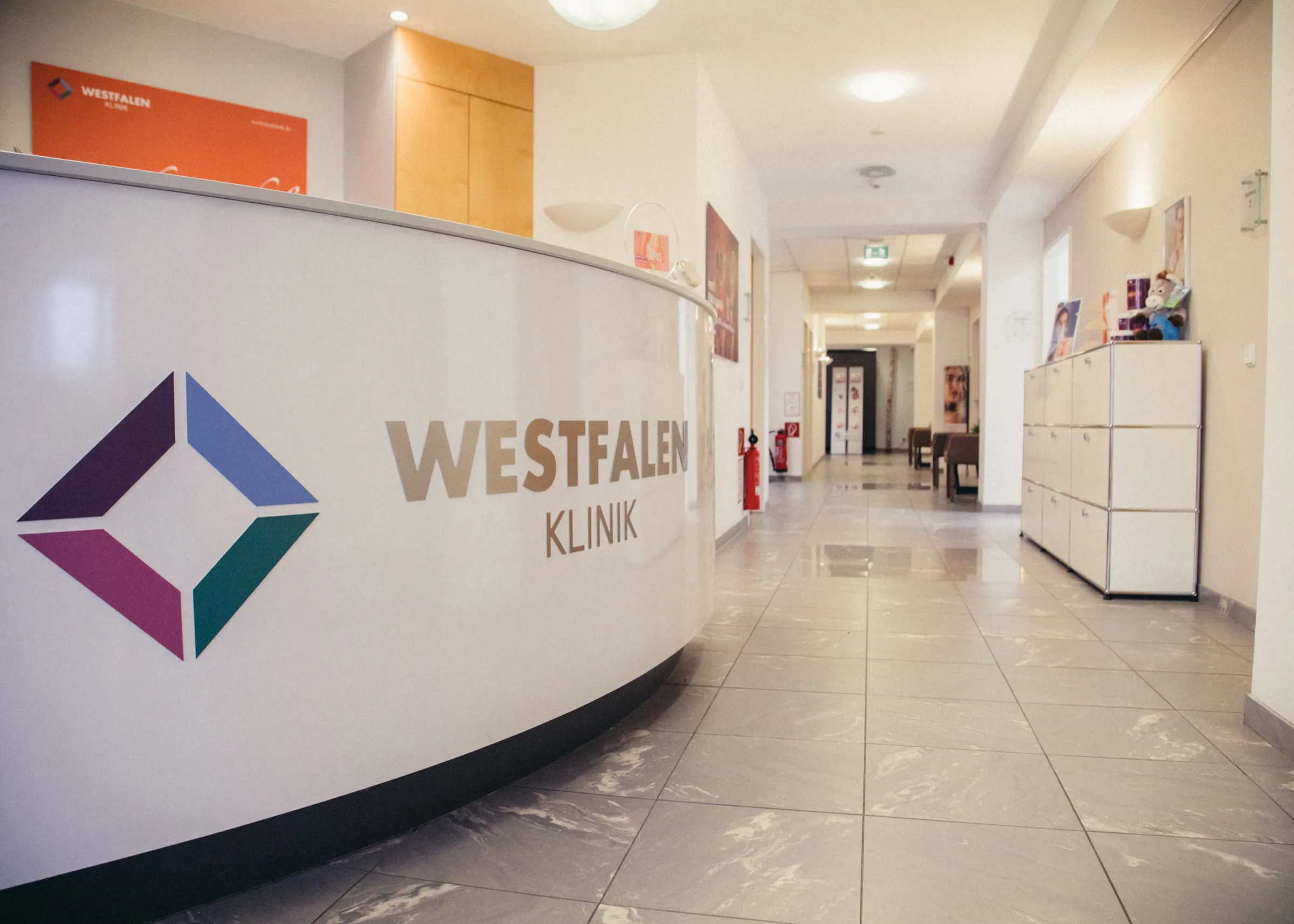
The building
Your treatment in Dortmund.
Consultation, procedure and aftercare in one place: at the Westfalenklinik on Rosemeyerstraße.
Dr. Gruner hat meine Brustverkleinerung vorgenommen, schon jetzt, einen Tag später, bin ich mit dem Ergebnis mehr als zufrieden! Danke!
Das Personal ist in allen Bereichen der Praxis kompetent, höflich, zuvorkommend und sehr freundlich, auch denen gilt hier mein Dank!
Ich empfehle die Praxis gerne weiter und würde mich selbst auch wieder hier verschönern lassen!
Anja B. · October 2026
Von Beratung, über Vorbereitung bis hin zur eigentlichen OP war es einfach nur wahnsinnig toll! Die Mitarbeiter sind alle ausnahmslos freundlich, humorvoll und kompetent.
Mein behandelnder Arzt war Dr. Reifenrath und ich habe mich selten bei einem Arzt so gut aufgehoben gefühlt. Er ist ebenfalls super freundlich und durch seine entspannte, lockere Art, war der Ablauf einfach nur humorvoll und toll!!!
Ich würde ihn zu 100% absolut jedem empfehlen!
Vielen lieben Dank an das gesamte Team vom Empfang bis zum OP Saal und vor allem an Sie, Dr Reifenrath 🤗
Anika W. · October 2026
Sehr freundliches und Verständnisvolles Team, habe meine ersten Hemmungen gut ablegen können.
Mehr kann ich sicherlich erst nach meiner Behandlung sagen
Anonymous · October 2026
Bisher war es nur ein Beratungsgespräch, doch schon hier habe ich mich gut aufgehoben gefühlt und bin sehr zufrieden.
Anonymous · September 2026
Wow, was für ein erster Eindruck!
Dr. Frank Gruner, dessen Professionalität von jahrelanger Erfahrung zeugt, war äußerst verständlich und menschlich (was mir sehr wichtig war). Er verstand meine Bedürfnisse, und seine Erklärungen und Anweisungen entsprachen genau meinen Vorstellungen.
Die Patientenberaterin Jennifer war mit ihrem Charme ebenfalls eine große Hilfe und erklärte mir alles Notwendige und den weiteren Ablauf. Auch die Mitarbeiter am Empfang waren sehr höflich und freundlich.
Ich melde mich nach der Operation mit meinen Eindrücken zurück.
Vielen Dank an alle!
A. M. · September 2026
Ich habe eine Unterlidstraffung machen lassen und bin mit dem Ergebnis sehr zufrieden.
Mein Dank geht vor allem an Frau Dr. Simidjiiska für ihre Fürsorge, Kompetenz und Empathie.
Aber auch das gesamte Team der Klinik macht einen hervorragenden Job!
Anonymous · September 2026
⭐⭐⭐⭐⭐
Ich bin rundum begeistert von meiner Erfahrung in dieser Haartransplantationsklinik. Von der ersten Kontaktaufnahme bis zur Nachsorge war alles hervorragend organisiert und professionell.
Das gesamte Team war unglaublich freundlich, hilfsbereit und zuvorkommend. Man hat sich jederzeit gut aufgehoben und ernst genommen gefühlt. Besonders positiv fand ich, dass sich alle Mitarbeiter ausreichend Zeit genommen haben, um meine Fragen zu beantworten und jeden Schritt verständlich zu erklären.
Auch der Service war erstklassig. Die Organisation, die Betreuung vor und nach dem Eingriff sowie die Kommunikation waren wirklich hervorragend. Das gesamte Team hat einen sehr kompetenten und gleichzeitig menschlichen Eindruck gemacht.
Die Klinik selbst ist modern, sauber und sehr gut ausgestattet. Während der Behandlung wurde äußerst sorgfältig und professionell gearbeitet, und ich hatte zu jedem Zeitpunkt das Gefühl, in guten Händen zu sein.
Ein großes Dankeschön an das gesamte Team für die tolle Betreuung und den freundlichen Umgang! Ich kann die Klinik absolut weiterempfehlen und bin mit meiner bisherigen Erfahrung sehr zufrieden. Wer Wert auf Professionalität, Qualität und einen hervorragenden Service legt, ist hier meiner Meinung nach bestens aufgehoben.
Anonymous · September 2026
Ich habe mich sehr wohl geführt, das Gespräch war sehr gut , die Ärztin hat mir sehr ausführlich alles erklärt und bin mit einem sehr guten Gefühl nach Hause gegangen
Hannelore G. · August 2026
Ich habe mich sehr gut aufgenommen und beraten gefühlt und würde mich jederzeit wieder für die Westfalenklinik entscheiden.
Vanessa T. · August 2026
Sympathisches Team
Zeit und Ruhe
kostenlose Beratung
Freundlichkeit
Anonymous · August 2026
Sehr nettes Personal am Empfang, angenehme Atmosphäre. Beratung ok, aber nicht überragend.
Versprochener Kostenvoranschlag auch nach zwei Wochen noch nicht eingegangen.
Anonymous · July 2026
Dr. med. Frank Gruner ist meine Empfehlung, haben mich sehr gut aufgehoben gefühlt bei ihm. Stationär war ich auch sehr zu frieden. Schwestern alle sehr nett und bemüht, das es einem gut geht.
Stefanie R. · July 2026
Beratungsgespräch:
Sehr ausführliche und kompetente Beratung. Freundliches Team
Anonymous · July 2026
Ich kann bisher nur eingeschränkt bewerten, da ich lediglich ein Informationsgespräch hatte.
Der Arzt war sehr freundlich und ruhig. Er hat meine Fragen fachlich kompetent beantwortet und mich ausführlich darüber informiert, welche Behandlung zu meiner körperlichen Konstitution passen könnte. Außerdem erklärte er mir die Prozedur sowie die möglichen Risiken.
Im Anschluss hatte ich ein Gespräch mit den zuständigen Mitarbeitenden zur finanziellen Seite. Dort wurde ich über die Kosten, eine zusätzliche Versicherung, Ratenzahlungsmöglichkeiten sowie die organisatorischen Abläufe rund um die Operation informiert.
Derzeit warte ich noch auf das schriftliche Angebot.
Iulia · July 2026
Ich habe noch nie eine Ärztin/Arzt getroffen, der/die mich so gut aufgeklärt hat, wie Frau Dr. Zamani. Sie ist sehr empathisch, ärztliche Ethik, ist für sie kein Fremdwort. Bei Frau Dr. Zamani, ist man in besten Händen.
Anonymous · July 2026
Ich habe hier eine Liposuktion durchführen lassen und bin sehr zufrieden. Von der Beratung bis zur Nachsorge habe ich mich jederzeit bestens betreut und gut aufgehoben gefühlt. Das gesamte Team war freundlich, kompetent und professionell.
Besonders positiv war mein Heilungsverlauf, die Schmerzen waren deutlich geringer als erwartet und die Erholung verlief sehr gut. Vielen Dank an das gesamte Team für die hervorragende Betreuung und das tolle Ergebnis. Ich kann die Klinik uneingeschränkt weiterempfehlen.
Sarah H. · June 2026
Dr. Gruner ist ein seriöser, freundlicher, authentischer und nahbarer Arzt, der seine Patienten sehr ausführlich aufklärt und informiert. Bei ihm ist deutlich spürbar, dass die Patientenzufriedenheit im Vordergrund steht – und nicht, wie leider bei vielen anderen Kliniken/Praxen, das eigene wirtschaftliche Interesse. Vielen Dank für die vertrauensvolle und ehrliche Beratung!
Anonymous · June 2026
Absolut zufrieden mit den erzielten Ergebnissen und seriöse Beratung
Anonymous · June 2026
Ich warte gerade auf Ihr E-Mail Angebot wie gestern besprochen. Vielen Dank.
Anonymous · June 2026
Ich wurde sehr freundlich empfangen, professionell beraten und habe mich gut aufgehoben gefühlt.
Sahar · May 2026
Hatte bis jetzt nur ein Beratungsgespräch. Bei diesem habe ich mich wohl und verstanden gefühlt.
Anonym · Mai 2026
Facelift
Wangen/Hals
Am Tag der Beratung hat Frau Dr simidjiiska sich außergewöhnlich viel Zeit für mich genommen.
Sie hat den gesamten Ablauf sowie das mögliche Ergebnis verständlich und realistisch beschrieben.Auf all meine Fragen erhielt ich ausführliche Antworten.
Ich habe mich ernst genommen , bestens informiert und rundum professionell beraten gefühlt .
Am Tag der Op wurde ich von einem unglaublich einfühlsamen Team empfangen.
Obwohl ich extrem nervös war (zugegen:leicht hysterisch),wurde ichmit ruhigen,beruhigenden Worten auffgefangen und Schritt für Schritt auf den Eingriff vorbereitet.
Direkt nach der Op war sofort jemand an meiner Seite ,der regelmäßig nach mir sah.
Auch Frau Doktor Simidjiiska kam bereits nach kurzer Zeit persönlich vorbei,um sich nach meinem Zustand zu erkundigen.
Das gab mir ein großes Gefühl von Sichheiit.
Als mir nach kurzer Zeit der Verband entfernt wurde,um einen Neuen anzulegen,durfte ich einen Blick auf das Ergebnis werfen.
Trotz der noch vorhandenen Schwellung konnte ich sofort erkennen, das Resultat genau meininen Vorstellungen entspricht.
Dieser Moment hat mich bestätigt, dass ich die richtige Entscheidung getroffen habe.
Und nun ,2 Wochen nach dem Eingriff,bin ich immer noch absolut zufrieden.
Jeden Tag freue ich mich erneut darüber, dass ich auf mein Bauchgefühl vertraut habe- und über die hervorragende Arbeit von Frau Dt Simidjiiska.
Das Ergebnis entwickelt sich genau so,wie ich es mir gewünscht habe.
Ein großes Dankeschön auch an das gesamte Team-für die herzliche Betreuung,die Geduld und Professionalität.
Ich komme jederzeit gerne wieder,hoffe allerdings, dass ich mir bis zum nächsten Eingriff ein wenig Zeit lassen kann.
Liebe Grüße 😘
Anonym · Mai 2026
Habe mich sehr wohl gefühlt und wurde bei Rückfragen direkt ernst genommen . Sehr freundliches und kompetentes Team. ❤️
Jederzeit wieder
Daniela · May 2026
Man merkt dass jeder einzelne Patient wertschätzend behandelt wird. Kein Wunsch wird abgelehnt. Die Mahlzeiten sind sehr schmackhaft und werden auf Wunsch liebevoll zubereitet. Auch die ärztliche Betreuung war hervorragend. Ich bin froh diese Klinik für mein Anliegen gefunden zu haben.
Anonymous · April 2026
Der erste Eindruck war gut.
Anonymous · April 2026
Mit der freundlichen Beratung. Man hat das Gefühl gut aufgehoben zu sein.
Gabriele W. · April 2026
Ich habe mir Mitte März diesen Jahres meine Brüste in der Westfalen Klinik vergrößern lassen.
Seit dem allerersten Kontakt bin ich absolut begeistert.
Das komplette Team ist sehr freundlich, hilfsbereit , entspannt und immer ansprechbar.
Die Beratung war ausführlich, neutral, hilfreich und vorallem ausführlich.
Die Operation und der Aufenthalt waren top und zu 100% zufrieden stellend. Ich habe mich sehr gut ausgehoben gefühlt .
Ich kann diese Klinik absolut und mit bestem Gewissen weiter empfehlen.
Maria · April 2026
Ich war für meine Augenoberlidstraffung in der Westfalen Klinik und insgesamt nur von 8 bis 11 Uhr dort – alles war bestens organisiert und lief reibungslos ab.
Schon beim Ankommen wurde ich herzlich empfangen. Das gesamte Team war sehr freundlich, lieb und aufmerksam, sodass ich mich direkt gut aufgehoben gefühlt habe. Nach der OP bekam ich noch eine kleine Stärkung, was ich als sehr fürsorglich empfunden habe.
Frau Dr. med. Maria Simidjiiska hat nach dem Eingriff noch einmal persönlich nach mir geschaut, was mir zusätzliche Sicherheit gegeben hat. Kurz darauf konnte ich auch schon wieder nach Hause.
Vielen Dank an das ganze Team für die tolle Betreuung!
Anonym · März 2026
Tolle Beratung, man hatte nicht das Gefühl dass Behandlungen zusätzlich aufgezwungen werden. Man bekommt eine ehrliche Einschätzung und eine Empfehlung pro Patient. Ich überlege derzeit mich dort in dem nächsten halben Jahr operieren zu lassen.
Anonym · März 2026
Ich war von der Beratung an bis zur Entlassung in den allerbesten Händen.Vielen Dank dem gesamten Team.
Anonym · März 2026
Ich war sehr positiv überrascht, netter Empfang, gutes Beratungsgespräch, entgegenkommend bei offen fragen.
Würde mir für meine anstehende op keine andere mehr Klinik suchen.
Anonym · März 2026
die anderen Punkte kann ich nicht bestätigen da es sich um eine Online Beratung gehandelt hat.
Axel N. · March 2026
Ich hatte heute mein Beratungsgespräch. Am Empfang wurde ich sehr offen und freundlich empfangen. Sie hatten viel zu tun aber es hatte keine Auswirkung auf uns Patienten.Es blieben keine Fragen offen. Es wurde sich richtig Zeit genommen für Erklärung und zuhören. Ich stand im Mittelpunkt und mir wurde Anspannung genommen. Dafür erstmal schon ein Dankeschön 😉
Anonym · März 2026
Hier fühlt man sich von der Erstberatung bis zur Entlassung sehr gut aufgehoben. Den Ausschlag für die Wahl dieser Klinik gab der Hinweis der Ärztin, ob ich mir über die Größe der Narben bewusst wäre. Diese Tatsache benannte sie direkt und empfahl eine andere Methode, die bei mir ausreichen würde, obwohl die gewöhnliche Hautstraffung mittels Schnitt sicherlich lukrativer gewesen wäre. Das hat mich überzeugt. Auch der Aufenthalt in der Klinik wurde so angenehm wie möglich gestaltet und es wurde auf individuelle Wünsche eingegangen. Der Kaffee der Nachtschwester morgens um 5 war das I-Tüpfelchen. ☺️
Vielen Dank! Ich empfehle gerne weiter.
Anonym · März 2026
Ich war/bin sehr zufrieden mit der Behandlung und dem Ergebnis, von Anfang bis Ende stand einen immer einer zur Seite bei offenen Fragen und das Team an sich war immer freundlich und professionell
Anonym · Februar 2026
Ich habe alles in allem nichts zu beanstanden
Sonja P. · February 2026
Sehr kompetente Beratung. Freundliches Personal und zuvorkommend. Ich habe mich sehr wohl und gut aufgeklärt gefühlt.
Anonym · Februar 2026
Sehr professionelle Klinik. Super Beratung, netter Kontakt. Das ganze Team ist sehr freundlich, zuvorkommend und arbeitet professionell und sehr gut strukturiert.
Anonym · Februar 2026
Am 13.02.26 war ich zu einem Info Gespräch da. Die sehr nette Ärztin nahm mir meine Angst und Unsicherheit. Sämtliche Fragen wurden ausführlich und detailliert beantwortet. Besser geht es nicht.
Nein · February 2026
Sehr freundlich und sehr fair.
I. · February 2026
Super freundlich, engagiert, zugewandt, kompetent, ehrlich.
Man darf sich von dem ersten äußeren Eindruck vor der Tür nicht beeindrucken lassen.
Ist man in der Klinik, ist alles perfekt!!!
Anonym · Februar 2026
Ich habe mich zu jeder Zeit gut aufgehoben gefühlt. Das gesamte Team ist sehr kompetent, freundlich und engagiert.
Anonym · Februar 2026
Es war ein ganz besonderes Erlebnis. Von der Frau Doktor bis zu den Anästhesie bis zu pflege Personal. Sie sind sehr nett und sind immer für den Patenten da. Ich kann die Klinik sehr empfehlen.
Mirela-Carmen G. · February 2026
Jeder wird freundlich empfangen und behandelt, egal aus welcher Arbeitsschicht. Dr Reifenrath sowie alle Angestellten arbeiten professionell und Patientenorientiert. Stationär wie am Empfang, kümmert man sich sehr höflich und liebevoll um den Patienten. Der Anästhesist, seine Helferinnen und OP Schwestern waren ebenso freundlich und haben versucht mir die Nervosität zu nehmen. Alles in allem bin ich mit meiner Wahl der Klinik sehr glücklich.
Katja · February 2026
Absolute Empfehlung! Ich habe mich vor einigen Wochen für eine Brustvergrößerung & Straffung bei Herrn Dr. Reifenrath entschieden. Vom ersten Besuch in der Klinik, bis zur OP und dem weiteren Verlauf war ich schlichtweg begeistert. Meine Wünsche wurden übertroffen und das Team war jederzeit herzlich, aufgeschlossen, professionell und auch lustig. Ich würde mich jederzeit wieder in ihre Hände begeben. Danke!
Maria S. · February 2026
Vielen Dank für die schnelle und liebe Beratung ohne lange Wartezeit, ich kenne Dr. Bromba schon aus Essen damals, er ist ein sehr ehrgeiziger ehrlicher dazu immer herzlich gebliebenener Chirurg und Mensch. Die Damen am Empfang sind auch hübsch und dazu noch sehr herzlich. Liebe Grüße Frau Wilkens
Anonym · Februar 2026
Ich habe mich rundum wohlgefühlt. Vom herzlichen Empfang, über die tolle Beratung und am Ende natürlich das Ergebnis war alles wunderbar.
Sarah S. · January 2026
Wegen Dr.Reifenrath einfach der beste Arzt
Anonymous · January 2026
Ich habe bei Herrn Dr. Reifenrath eine Bauchdeckenstraffung mit Korrektur einer Rektusdiastase und einer Fettabsaugung durchführen lassen. Ich habe mich jederzeit gut beraten und behandelt gefühlt. Die Heilung verläuft genauso, wie es Dr. Reifenrath im Vorfeld beschrieben hat und ich war nach wenigen Tagen wieder erstaunlich fit. Die Schmerzen hielten sich in Grenzen, die Nachsorge ist sehr unproblematisch und das Ergebnis super. Das gesamte Personal, ob am Empfang, im OP, auf Station oder in den Behandlungsräumen war immer sehr freundlich und zuvorkommend. Ich habe mich rundum gut aufgehoben gefühlt. Vielen Dank!
Sandra B. · January 2026
Die Beratung der Service sowie der kosmetische Eingriff verliefen alle zu meiner vollsten Zufriedenheit.
Das gesamte Team ist der freundliche und zuvorkommend.
Besonders hervorzuheben ist Herr Dr. med. Frank Gruner, Sein fachliches Können ist hervorragend.
Außerdem ist er sehr menschlich und freundlich.
Ich bin sehr froh das ich diese Klinik (Standort Dortmund )
gewählt habe .
Ich bedanke mich für das hervorragende Ergebnis!
Wünsche dem Team weiterhin viel Erfolg
Anita D.-K.